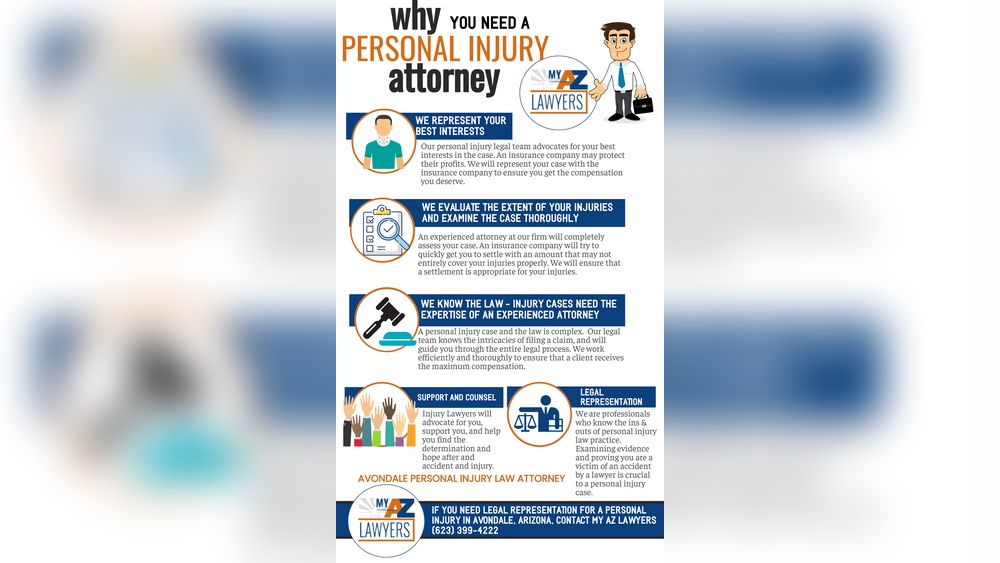
Personal injury can change your life in a moment. One accident, and suddenly you face medical bills, lost wages, and pain that make daily life hard. Many people are unsure how to get fair compensation after an injury caused by someone else. That’s where legal services for personal injury settlements become essential. Good legal support helps you understand your rights, guides you through the process, and ensures you receive what you deserve.
Getting a settlement is not just about filling out forms or telling your story. Laws are complex. Insurance companies often try to pay less. Without proper guidance, you might miss important deadlines or accept a low offer. In this article, you’ll learn how legal services work in personal injury cases, what makes them valuable, and how to choose the right help.
We’ll also look at key data, common mistakes, and answer the questions most people have.
Understanding Personal Injury Settlements
A personal injury settlement is an agreement where the injured person receives money from the party responsible (often through their insurance company). Most cases settle before going to court. Settlements cover costs like medical bills, lost income, pain, and suffering.
Common Types Of Personal Injury Cases
- Car accidents: The most frequent personal injury claims.
- Slip and fall: Injuries from unsafe property conditions.
- Medical malpractice: Mistakes by doctors or hospitals.
- Workplace injuries: Accidents while working.
- Product liability: Harm from unsafe products.
Each type has different legal rules. For example, car accidents often involve both state traffic laws and insurance policies, while medical malpractice claims require proof of negligence by a healthcare provider.
Settlement Process Overview
The settlement process usually follows these steps:
- Consultation: Meet with a lawyer and explain your situation.
- Investigation: Gather evidence, medical records, and witness statements.
- Demand letter: Your lawyer sends a letter to the other party, asking for compensation.
- Negotiation: Both sides discuss and try to agree on a fair amount.
- Settlement agreement: If both sides agree, you sign paperwork and receive money.
If negotiations fail, the case may go to court, but most settle before trial.
Why Legal Services Matter
Many people think they can handle a claim alone. But statistics show that those who hire personal injury lawyers get much higher settlements.
| Claim Type | Average Settlement Without Lawyer | Average Settlement With Lawyer |
|---|---|---|
| Car Accident | $5,000 | $17,000 |
| Slip & Fall | $3,500 | $10,500 |
| Medical Malpractice | $13,000 | $55,000 |
A good lawyer understands the law, knows how insurance companies operate, and can negotiate better than most individuals. They also help avoid costly mistakes, like missing deadlines or misunderstanding complex legal terms.
Key Benefits Of Legal Services
- Accurate case evaluation: Lawyers know what your claim is really worth.
- Strong negotiation: They push for higher settlements.
- Paperwork and deadlines: Legal experts handle forms and keep your case on track.
- Reducing stress: You focus on recovery while your lawyer handles the details.
Choosing The Right Personal Injury Lawyer
Picking the right legal service is crucial. Not all lawyers are equal. Some specialize in personal injury, others do not. Here’s how to make a smart choice:
What To Look For
- Experience: Choose lawyers with a strong track record in personal injury cases.
- Specialization: Confirm they focus on your type of injury (e.g., car accidents, medical malpractice).
- Reputation: Read reviews and ask for references.
- Fee structure: Most personal injury lawyers work on a contingency fee (they get paid only if you win).
Key Comparison Factors
| Factor | General Lawyer | Personal Injury Specialist |
|---|---|---|
| Experience with Insurance Companies | Limited | Extensive |
| Success Rate | Lower | Higher |
| Contingency Fee Availability | Rare | Common |
| Settlement Speed | Slower | Faster |
Questions To Ask Before Hiring
- How many cases like mine have you handled?
- What is your success rate?
- Who will actually work on my case?
- How are fees calculated?
- Can you provide client references?
Non-obvious insight: Some lawyers hand your case to junior staff after you sign. Always ask who will handle your case day-to-day.
The Role Of Evidence In Settlements
Evidence is the foundation of every personal injury claim. Without solid proof, even the best lawyer can struggle.
Types Of Evidence
- Medical records: Show the injuries and treatments.
- Photographs: Prove damage or unsafe conditions.
- Witness statements: Support your version of events.
- Police reports: Useful for car accidents and some slip-and-fall cases.
- Expert opinions: Doctors, accident reconstruction experts, or engineers may help.
Gathering evidence early makes your case stronger. If you wait, documents and memories can disappear.
Common Mistakes With Evidence
- Not seeking medical care right away (shows doubt about injury).
- Failing to document injuries and expenses.
- Relying on memory instead of written records.
Non-obvious insight: Even small details, like daily pain logs or receipts for medical supplies, can increase your settlement amount.

Credit: idahoadvocates.com
Negotiating Your Settlement
Negotiation is where many claims succeed or fail. Insurance companies have skilled negotiators. If you’re alone, they may pressure you to accept a low offer.
Steps In Negotiation
- Initial offer: Insurer suggests a low amount.
- Counteroffer: Your lawyer rejects and suggests a fair number.
- Back-and-forth: Multiple rounds until both sides agree.
Your lawyer uses evidence, case law, and past settlements to build a strong argument. If the insurer refuses to be fair, your lawyer may recommend going to court.
Data: Settlement Timelines
| Case Type | Average Settlement Time | With Lawyer | Without Lawyer |
|---|---|---|---|
| Car Accident | 4-6 months | Faster | Slower |
| Slip & Fall | 5-8 months | Faster | Slower |
| Medical Malpractice | 12-24 months | Faster | Slower |
Understanding Contingency Fees
Most personal injury lawyers use contingency fees. This means you pay nothing upfront. Instead, your lawyer takes a percentage (usually 25–40%) of your settlement.
How Contingency Fees Work
- If you win, lawyer gets a share of the money.
- If you lose, you pay nothing (except sometimes for costs like filing fees).
Always ask about fee details before signing. Some lawyers charge extra for expenses, so clarify what’s included.
Pros And Cons
Pros
- No upfront cost
- Lawyer is motivated to win
Cons
- You give up a portion of your settlement
- Some fees may be hidden

Credit: www.elderneedslaw.com
Avoiding Common Settlement Mistakes
Even with a lawyer, mistakes can happen. Here’s what to watch out for:
- Accepting the first offer: Insurers often start low.
- Missing deadlines: Each state has a statute of limitations (usually 1–3 years).
- Not getting medical care: This hurts your case.
- Talking to insurers without legal advice: Your statements can be used against you.
- Posting on social media: Photos or comments may weaken your claim.
If you’re unsure, ask your lawyer before taking action. A small error can cost you thousands.
Real-life Example: Car Accident Settlement
Imagine you’re in a car accident. You have whiplash, miss two weeks of work, and face $8,000 in medical bills. The insurance company offers $6,000. You hire a lawyer. They gather medical records, prove lost wages, and negotiate. The final settlement is $20,000.
This happens often. Legal services make sure you don’t settle for less than you deserve.

Credit: chadbarrlaw.com
How Legal Services Improve Your Outcome
Legal services do more than just fill out paperwork. They:
- Investigate your case deeply
- Bring in experts if needed
- Negotiate with insurers
- Prepare for court, if necessary
Studies show that clients with lawyers receive settlements three to five times higher than those without. For complex cases (like medical malpractice), the difference is even greater.
Frequently Asked Questions
What Is A Personal Injury Settlement?
A personal injury settlement is money paid to an injured person by the party responsible for the accident. It covers medical costs, lost wages, pain, and other damages. Most settlements are agreed upon without going to court.
How Long Does It Take To Get A Settlement?
It depends on the case type and complexity. Simple cases (like minor car accidents) may settle in a few months. Complicated cases (like medical malpractice) can take years. Having a lawyer usually speeds up the process.
Do I Have To Pay My Lawyer Upfront?
No. Most personal injury lawyers use contingency fees. You pay only if you win. Always check the fee agreement for details.
Will My Case Go To Court?
Most personal injury cases settle before trial. If the insurance company refuses to offer a fair amount, your lawyer may recommend taking the case to court.
Where Can I Find More Information?
You can find reliable information at the American Bar Association.
Getting a fair settlement after a personal injury is not easy. Legal services give you the tools and support you need to win the compensation you deserve. With the right lawyer, strong evidence, and smart negotiation, you can focus on healing while your legal team fights for your rights.
If you or someone you know is facing this situation, don’t hesitate to seek professional help. It makes all the difference.
Read More:
- How to Start an Online Legal Services Business: Step-by-Step Guide
- How to Get Free Or Low-Cost Legal Services: Your Complete Guide
- How Legal Services Protect Your Digital Business: Essential Guide
- Why Every Business Needs Corporate Legal Services to Succeed
- Legal Services Trends Businesses Should Watch in 2026
- Best Legal Services for Civil Litigation Cases: Top Picks 2024
- Best Legal Services for Child Support Cases: Top Choices 2024
- Legal Services for Nonprofit Organizations: Essential Guide 2024